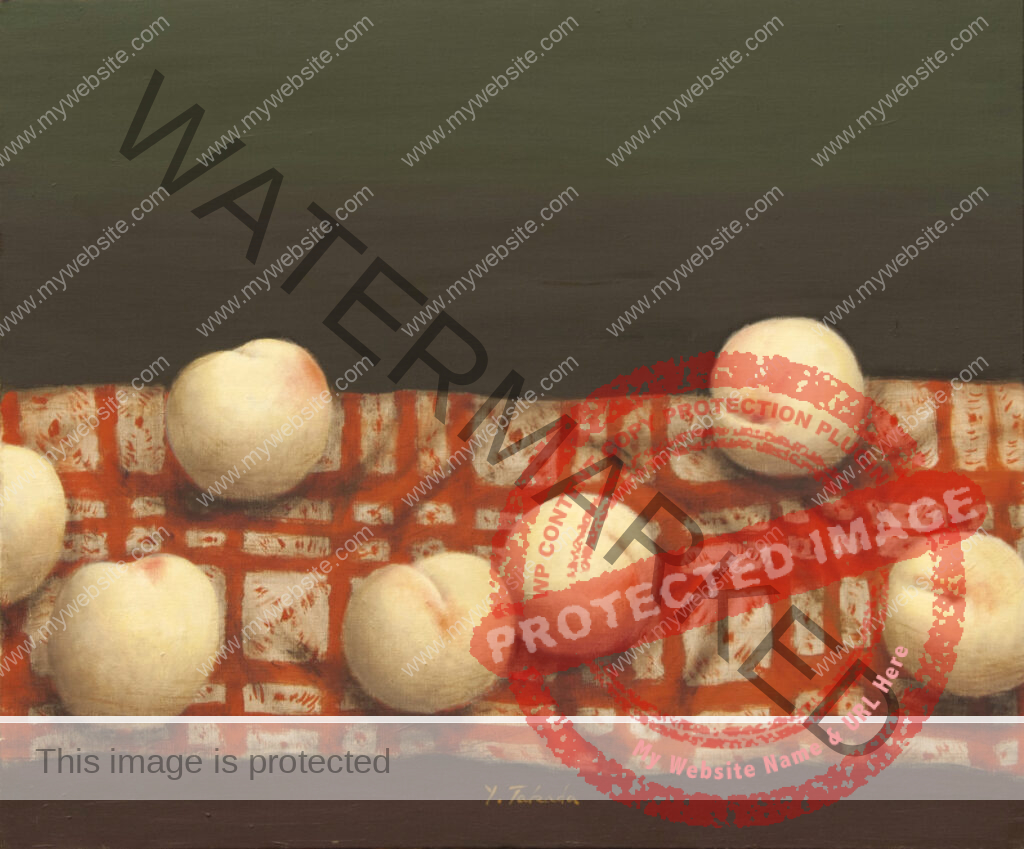
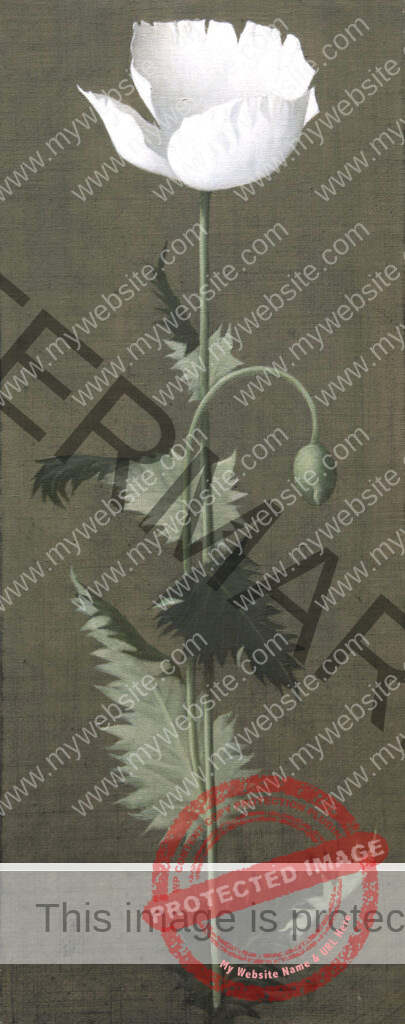
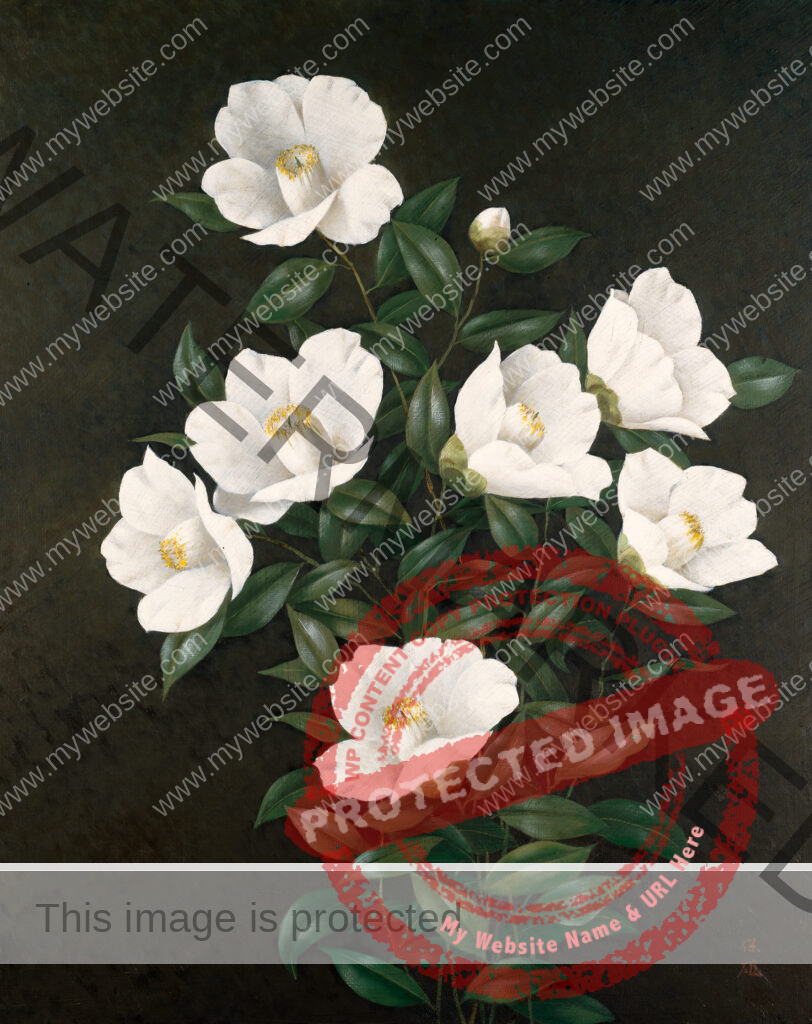
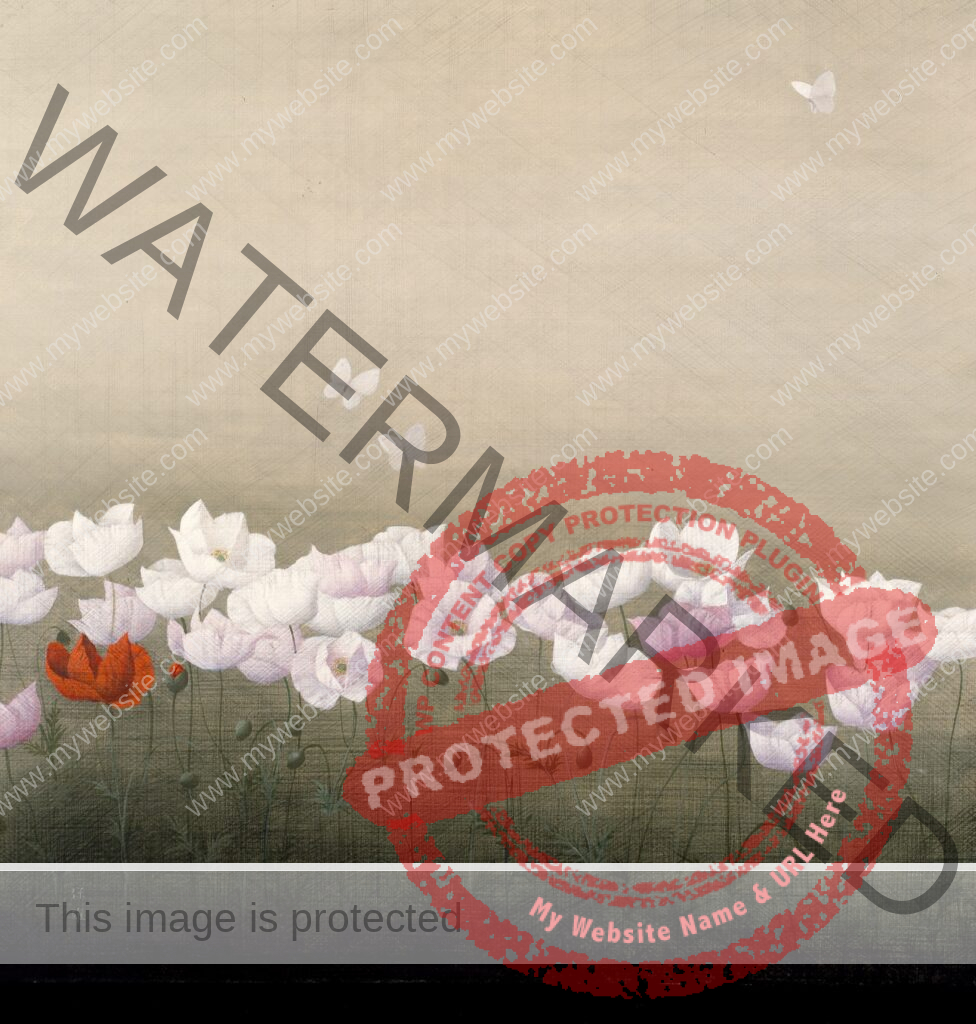
A true work of art needs no commentary. Who cares about nutrition when enjoying the sweetness of the finest fruit? Who cares about the origin of the fragrance of the most divine flower?
At best, only fruit farmers and perfumers would pay it any consideration. There is no need for me to explain how awe-inspiring the art created by Yasuo Takada is. Yasuo’s artwork requires no introduction, I simply invite you all to take look for yourselves. My mission is, instead, to present his work to those that have never encountered it.
There are certain cultural factors that can influence both the way in which someone works, as well as the way that they perceive things. This is true in every country and region, and is also true in the world of art, which has been handed down from our distant ancestors. I would like to be able to introduce these ideas to more people, such that they can more fully appreciate the intent and beauty of what the artists were aiming to portray.
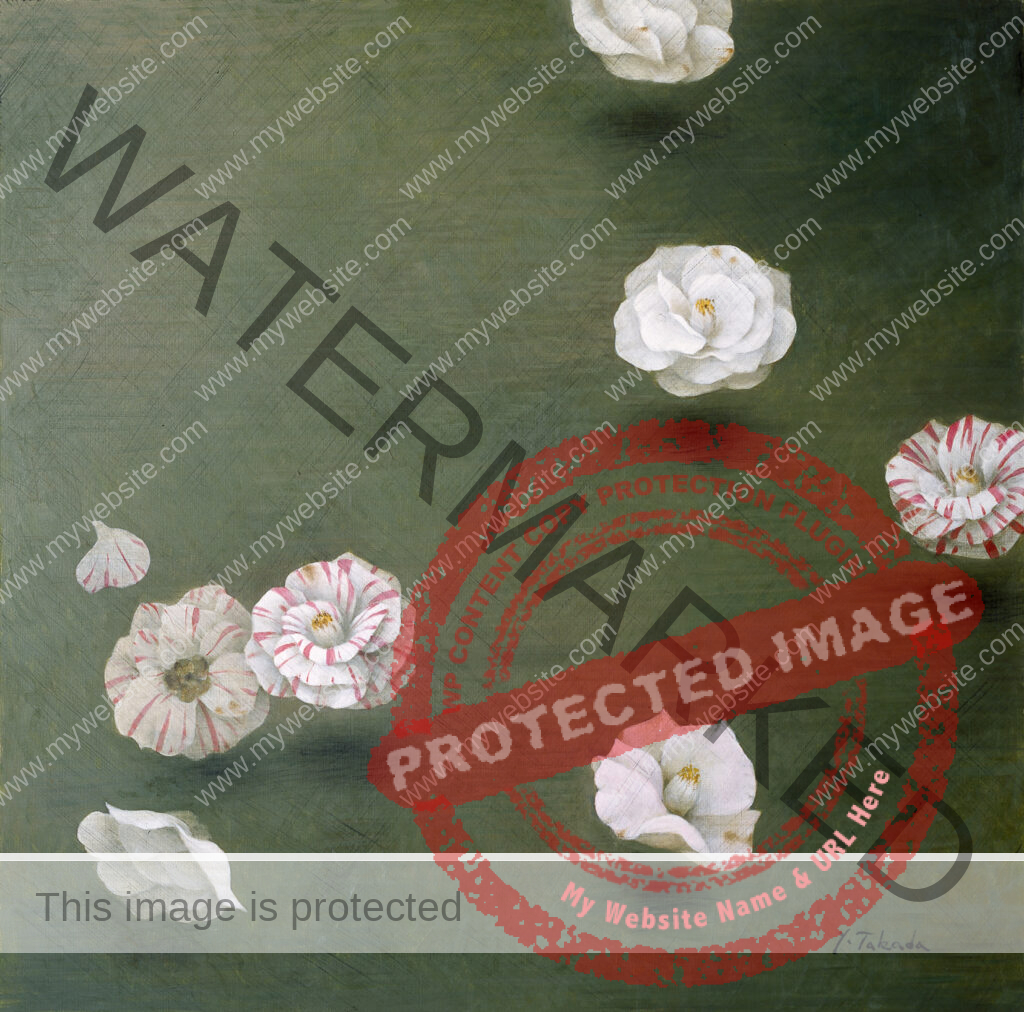
For example, since ancient times, Japanese culture has regarded the fragility of a falling flower as more beautiful than a flower in full bloom. Japanese paintings featuring camellias often depict them lying on the ground. Perhaps there are more paintings of flowers at the beginning of flowering or in decline than of flowers in full bloom.
Many different verbs exist to describe the withering of flowers:
“Cherry blossoms scatter”
“Plum blossoms brim over”
“Camellias tumble”
“Peonies collapse”
“Hydrangeas cling on”
“Morning glories wilt”
“Chrysanthemums dance”
So, what about people? Well, “people will go”.
I can’t help but feel that this aesthetic sense is etched in the DNA of the Japanese people.
I want Yasuo’s art to reach not only Japanese people, but also everyone living on the earth, transcending national borders and the boundaries of time.
Nothing would please me more than to introduce Japan’s unique aesthetic sense, culture and history to the world so that all people can enjoy his work.